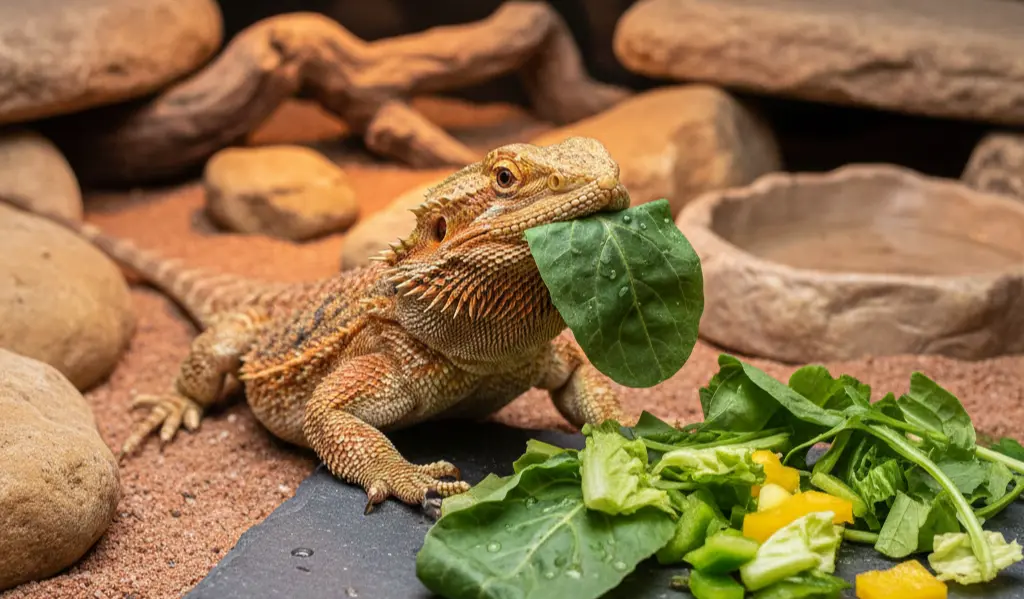
It’s a question many owners quietly ask themselves while standing in front of the fridge or preparing a fresh salad. Can Bearded Dragons Eat Kale? Some sources say it’s a healthy green, others warn it could cause problems, and suddenly a simple vegetable feels confusing. When the advice is mixed, it’s hard to know what’s actually right for your dragon.
So before you decide whether kale should go into the food bowl or stay off the menu, there are a few important things you need to understand. Once you see how kale affects a bearded dragon’s body, the answer to Can Bearded Dragons Eat Kale? becomes much clearer—and far less stressful.
Can Bearded Dragons Eat Kale Safely?
Many bearded dragon owners wonder whether kale is a safe choice or a risky green. The short answer is yes—kale can be safe when fed correctly. The key lies in moderation, proper preparation, and understanding how kale fits into a balanced diet.
Why Kale Is Considered a Safe Leafy Green
Kale is often classified as a safe leafy green because it provides essential nutrients that bearded dragons need to thrive. It contains a high amount of calcium, which supports strong bones and helps prevent calcium-related health issues. Unlike some greens, kale also has relatively low sugar and high water content, making it gentle on digestion.
Another reason kale is considered safe is its favorable nutrient profile when compared to more problematic greens. When offered in reasonable portions, kale supports hydration, digestion, and overall dietary variety. For these reasons, many reptile nutrition guides list kale as an acceptable part of a rotating salad plan.
When Kale Becomes a Concern for Beardies
While kale has benefits, problems arise when it is overfed or treated as a daily staple. Kale contains compounds known as goitrogens, which can interfere with thyroid function if consumed in large amounts over time. It also includes oxalates, which may bind to calcium and reduce absorption when fed excessively.
Feeding too much kale without proper variety can increase the risk of calcium imbalance. Over time, this may contribute to conditions such as metabolic bone disease. For this reason, kale should always be offered in moderation and paired with other safe greens.
Kale Compared to Higher-Risk Greens Like Spinach
Compared to spinach, kale is a much safer option for bearded dragons. Spinach is extremely high in oxalates, which strongly bind calcium and make it unavailable to the body. This is why spinach is often avoided or fed very rarely.
Kale, on the other hand, contains significantly lower oxalate levels and far more usable calcium. This makes kale a better choice for regular rotation, as long as it is not overused. When choosing leafy greens, kale clearly ranks above higher-risk options like spinach.
Can Bearded Dragons Eat Kale for Nutrition Benefits?
Beyond safety, kale offers real nutritional value when included properly. It supplies key vitamins and minerals that support growth, digestion, and immune health. Understanding these benefits helps explain why kale remains a popular green among experienced keepers.
Calcium Content and Bone Health Support
Calcium is one of the most important nutrients in a bearded dragon’s diet, and kale is naturally rich in it. Adequate calcium intake supports bone strength, muscle function, and nerve signaling. This is especially important for preventing metabolic bone disease.
When kale is fed alongside proper UVB lighting and calcium supplementation, it can contribute positively to skeletal health. Its calcium content makes it a useful addition to a well-balanced feeding routine.
Vitamins and Fiber Found in Kale
Kale provides several vitamins that support overall health. It contains vitamin A for vision and immune support, vitamin C for cellular health, and vitamin K for normal blood function. These nutrients help support long-term vitality when consumed in appropriate amounts.
The fiber in kale also plays an important role in digestion. Fiber helps maintain healthy gut movement and supports regular bowel function. Combined with its high water content, kale can aid hydration when included in fresh salads.
Calcium-to-Phosphorus Ratio Explained Simply
One reason kale stands out nutritionally is its calcium-to-phosphorus ratio. Bearded dragons absorb calcium best when calcium levels are higher than phosphorus. Kale meets this requirement by offering more calcium than phosphorus per serving.
This balance allows the body to use the calcium effectively, rather than losing it to excess phosphorus. While this does not mean kale should be fed daily, it does explain why it performs better than many other vegetables in terms of mineral balance.
Can Bearded Dragons Eat Kale Despite Oxalates and Goitrogens?
Many concerns about kale come from its natural plant compounds rather than its overall nutrition. Oxalates and goitrogens sound alarming, but their impact depends on how often kale is fed and in what amounts. When handled correctly, these compounds do not make kale unsafe.
What Oxalates Do Inside a Bearded Dragon’s Body
Oxalates are naturally occurring compounds found in many leafy greens. Inside a bearded dragon’s body, oxalates can bind to calcium and reduce how much of that mineral is absorbed. Over time, excessive oxalate intake may lower available calcium levels.
Kale contains oxalates, but in much lower amounts than high-risk greens like spinach. Because kale also provides a high level of calcium, the overall effect is less concerning when fed occasionally. This balance is why kale remains a suitable option in a varied diet.
Understanding Goitrogens and Thyroid Function
Goitrogens are compounds that may interfere with normal thyroid function if consumed in large quantities. The thyroid plays a key role in regulating metabolism, growth, and energy use in bearded dragons. Long-term overexposure to goitrogenic foods can lead to thyroid imbalance.
Kale does contain goitrogens, but not at levels that pose a risk when fed in moderation. Problems typically arise only when kale or similar greens are fed too frequently without dietary variety. Rotating greens greatly reduces this concern.
Why Moderation Prevents Metabolic Bone Disease
Metabolic bone disease is one of the most serious health issues affecting bearded dragons. It often develops when calcium intake is inadequate or when absorption is consistently blocked. Excessive feeding of oxalate-heavy foods can contribute to this problem.
Moderation prevents this risk by limiting how often kale is offered. When kale is combined with other calcium-rich greens, proper UVB lighting, and supplementation, it supports health rather than harming it. Balance is the most effective safeguard.
How Often Can Bearded Dragons Eat Kale Without Issues?
Frequency matters just as much as food choice when it comes to reptile nutrition. Kale can be part of a healthy feeding routine, but it should never dominate the diet. Serving size, age, and overall variety all play important roles.
Feeding Kale to Adult Bearded Dragons
Adult bearded dragons thrive on diets that are primarily plant-based. Kale can be included as one of several leafy greens offered throughout the week. For adults, kale works best when rotated with other nutritious greens.
Offering kale occasionally helps maintain dietary variety without overexposing the dragon to oxalates or goitrogens. This approach supports long-term health while still providing valuable nutrients.
Kale for Juvenile Bearded Dragons
Juvenile bearded dragons have different nutritional needs than adults. Their diets should focus more heavily on protein, with vegetables making up a smaller portion. Because of this, kale should be offered less frequently to younger dragons.
When included, kale should be finely chopped and mixed with other suitable greens. This ensures young dragons receive a wide range of nutrients without relying too heavily on a single vegetable.
Weekly Serving Frequency and Portion Size
For most bearded dragons, kale can be safely fed one to two times per week. Portions should be moderate and appropriate for the dragon’s size. Each serving should be part of a mixed salad rather than a standalone food.
Keeping kale as an occasional green helps prevent nutritional imbalances. This feeding schedule allows bearded dragons to enjoy the benefits of kale without unnecessary risk.
Conclusion
So, can bearded dragons eat kale? The answer is yes—when it’s offered the right way. Kale provides useful nutrients like calcium, fiber, and vitamins, but it should never replace variety in a bearded dragon’s diet. Understanding how oxalates, goitrogens, and portion size affect your beardie helps you make safer feeding choices.
When fed in moderation and paired with proper UVB lighting and a balanced rotation of leafy greens, kale can be part of a healthy routine. The key is consistency, awareness, and balance. By focusing on variety and proper nutrition, you support strong bones, steady growth, and long-term health for your bearded dragon.